Español
Drills, sanders, rotary tools, and compact power saws have shifted from occasional-use items into standard household equipment, and that shift has reshaped how distributors approach sourcing decisions. For wholesale buyers, the category isn't as simple as picking a motor size and moving on. Power output, grip design, battery compatibility, and housing durability all factor into whether a product line performs well once it reaches retail shelves.
Motor Design and Power Output
Brushed and brushless motors remain the two dominant configurations across household electric tools, each suited to different price and performance tiers. Brushed motors tend to appear in entry-level product lines, offering dependable performance at a lower manufacturing cost, while brushless variants have become common in mid-range and higher-output tools thanks to reduced friction and longer operational life under repeated use.
Wattage and voltage ratings vary considerably depending on the tool category. A compact screwdriver draws far less power than a corded circular saw, so manufacturers typically size motor components to match the specific torque and speed requirements of each product rather than applying a single standard across an entire catalog. Buyers comparing suppliers often request torque curves or load-testing data to confirm that stated specifications hold up under actual working conditions.
Battery Systems and Cordless Trends
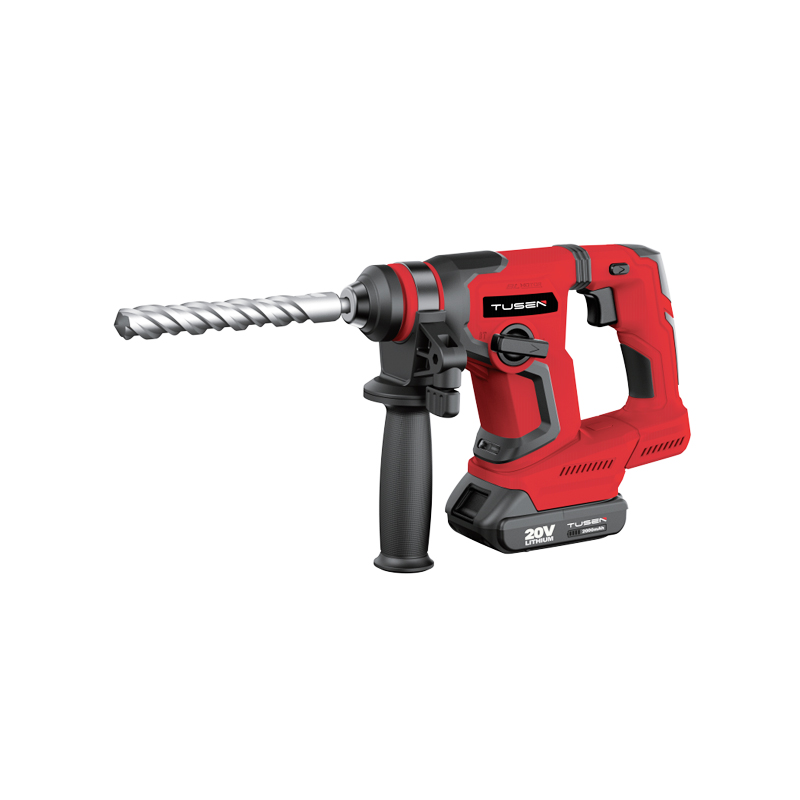
Cordless configurations have taken a growing share of the household electric tools market, driven by demand for portability around the home and yard. Lithium-ion battery packs dominate this segment, offering steadier voltage output across a discharge cycle compared with older nickel-cadmium designs, which tended to lose power unevenly as a charge depleted.
Battery platform compatibility has also become a selling point that buyers pay closer attention to. Manufacturers building tool lines around a shared battery platform let customers use one battery pack across multiple devices — a drill, a trimmer, a flashlight — which reduces the number of chargers a household needs to keep on hand. Distributors sourcing cordless household electric tools often prioritize suppliers offering this kind of cross-compatible battery ecosystem, since it tends to drive repeat purchases within a single brand line.
Housing Materials and Ergonomic Design
Build quality shows up most clearly in housing construction and grip design. A few factors buyers typically evaluate when comparing suppliers include:
- Impact-resistant polymer housings that absorb minor drops without cracking around internal components
- Rubberized grip zones positioned to reduce hand fatigue during extended use sessions
- Vibration dampening in the tool body, particularly relevant for sanders, drills, and rotary tools
Weight distribution matters as much as material choice. Tools that feel front-heavy or awkward to balance tend to generate more return requests, so manufacturers producing household electric tools at scale generally run ergonomic testing across different hand sizes before finalizing a housing mold for mass production.
OEM and Private Label Manufacturing
Buyers building their own brand around household electric tools typically work with factories offering OEM or ODM services, covering custom housing colors, branded packaging, and adjusted motor specifications based on a client's technical brief. Factories with flexible tooling can often modify grip shape, battery slot design, or switch placement without requiring a full retooling investment, which matters for buyers testing a new product line before committing to larger volumes.
Private label arrangements also extend to accessory bundling, where a base tool ships with interchangeable bits, sanding pads, or cutting attachments tailored to a specific retail market. Distributors targeting home improvement chains often request sample kits across a few accessory configurations before finalizing which bundle performs best with their customer base.