Español
A power tool may look simple when it sits on a workshop shelf, but a surprising amount of engineering sits behind the housing. From the motor and transmission system to the switch, battery interface, chuck, gear set, and casing, every component has a role in how the finished tool operates. Inside a Power Tools Factory, product development often begins long before the first tool reaches an assembly line.
Motors Shape Tool Performance
The motor is one of the central components in many power tools. Different applications call for different motor configurations, rotation speeds, torque characteristics, and operating methods.
Corded tools typically connect directly to an external power supply, while cordless models depend on rechargeable battery systems. Brushless motor designs have also become common in various tool categories because their electronic control systems allow manufacturers to develop different operating characteristics.
For a Power Tools Factory, motor selection is closely connected to housing dimensions and internal layout. A larger motor may provide different operating characteristics but also requires additional space. Engineers therefore need to balance motor dimensions with gearbox placement, cooling paths, battery position, and overall tool size.
Gear Systems Are Small But Important
A motor does not work alone. Gear systems transfer and adjust rotational movement before it reaches the working component.
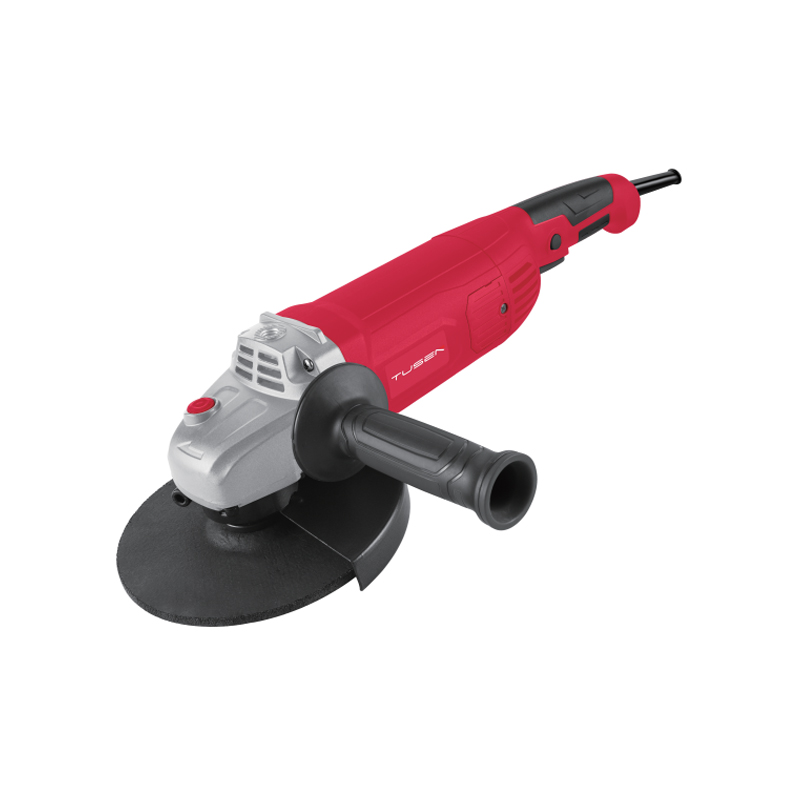
A drill, for instance, may use a gearbox to provide different speed and torque settings. A grinder requires another transmission arrangement because the output shaft connects directly to the abrasive disc. Impact tools use mechanisms designed to create repeated striking action.
Manufacturing these parts involves machining, heat treatment, dimensional inspection, and assembly. Gear tooth geometry needs to match the intended transmission structure, while shafts and bearings need appropriate positioning inside the housing.
These details may not be visible after assembly, yet they strongly influence how a finished tool feels during operation.
Housing Design Is More Than Appearance
The outer shell is another area where engineering and manufacturing meet. Tool housings commonly need to accommodate motors, electronic components, switches, gears, fasteners, and battery connections within a limited space.
Injection molding is widely used for plastic housings because it allows manufacturers to form complex shapes at production scale. Internal ribs can provide structural support, while molded mounting points can position electronic and mechanical components.
Grip geometry also deserves attention. The handle needs to provide enough space for the user's hand while keeping switches and controls within practical reach. Different tool categories naturally require different grip shapes.
Assembly Connects Multiple Production Stages
Once individual components are prepared, assembly brings them together. A typical production line may include motor installation, gearbox assembly, wiring, switch installation, housing assembly, and functional testing.
Automation can be introduced at selected stages, particularly for repetitive fastening, component placement, or inspection. Manual assembly remains useful for operations requiring flexible handling or visual judgment.
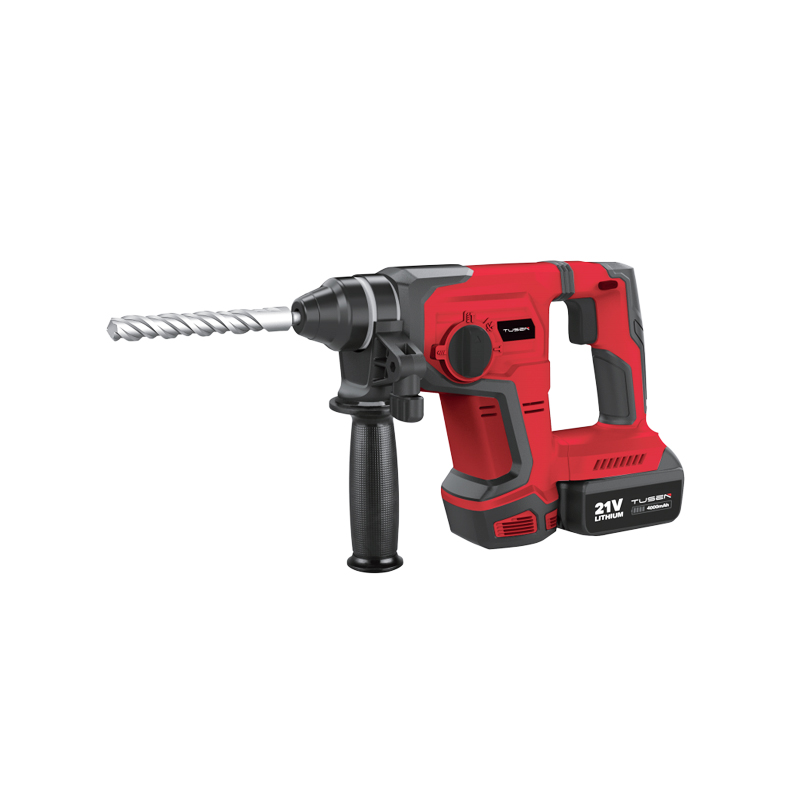
A Power Tools Factory may also organize production around several product families. Drills, impact drivers, grinders, saws, sanders, and rotary hammers each have different structures, but some components or production processes may be shared.
This modular approach can help manufacturers manage multiple product configurations without treating every model as an entirely separate project.
OEM And ODM Development
B2B buyers often look beyond finished products. They may need customized housings, different switches, specific battery interfaces, modified handles, packaging configurations, or new tool combinations.
OEM production focuses on manufacturing according to a buyer's specifications. ODM projects can involve deeper cooperation in product structure, appearance, component selection, and functional configuration.
For buyers working with a Power Tools Factory, clear technical communication is therefore important. Drawings, component lists, sample requirements, operating conditions, and target applications can help engineers understand the project before production begins.