Español

Understanding Common Electric Tool Faults
Electric power tools are used across construction sites, fabrication workshops, installation projects, and industrial operations. Electric drills, impact drills, angle grinders, rotary hammers, and demolition hammers each perform different tasks, but they share several internal components, including motors, switches, gear assemblies, bearings, and power transmission mechanisms. When a tool stops working correctly, identifying the source of the fault is an important first step.
Repairing Electric Tools involves understanding how electrical and mechanical components interact. A drill that loses rotational speed may have a different underlying problem from a grinder that produces unusual vibration or a demolition hammer that no longer delivers sufficient impact force. Treating every fault in the same way can lead to unnecessary component replacement and an incomplete diagnosis.
Electric Drills and Impact Drills Have Different Needs
Electric drills and impact drills are widely used for drilling holes in wood, metal, masonry, and other materials, depending on the tool design and operating mode. Although their external appearance may be similar, their internal mechanisms can differ.
An electric drill typically relies on a motor and gear assembly to rotate the chuck. Common fault areas include the trigger switch, power connections, motor components, chuck mechanism, and transmission gears. Irregular rotation or a failure to start may indicate an electrical issue, a mechanical obstruction, or a damaged internal component.
Impact drills add a mechanism that generates repeated axial impacts during drilling. This additional function introduces more components that may require attention when impact performance changes.
When Repairing Electric Tools in this category, technicians need to distinguish between problems affecting ordinary rotation and those involving the impact mechanism. Correct identification helps determine which parts need further examination and whether the problem is related to the motor, transmission, or impact assembly.
Angle Grinders Require Attention to Rotating Components
Angle grinders are used for cutting, grinding, polishing, and surface preparation. Their operating structure commonly includes a motor, gearbox, spindle, switch, protective guard, and accessory mounting system.
Because the tool operates at high rotational speeds, several symptoms can indicate different mechanical or electrical problems. Excessive vibration may be associated with an unbalanced accessory, bearing damage, or a problem in the rotating assembly. Unusual noise can point toward gear wear or other internal issues, while intermittent operation may involve the switch or electrical connections.
The type of attachment also matters when assessing performance. A cutting disc and a grinding accessory place different demands on the tool, so the observed symptom should be considered alongside the working application.
Repairing Electric Tools such as angle grinders requires an understanding of how the motor, spindle, and gearbox work together. A fault in one component may affect the behavior of other parts, making a structured diagnosis more useful than replacing components based on symptoms alone.
Rotary Hammers and Demolition Hammers
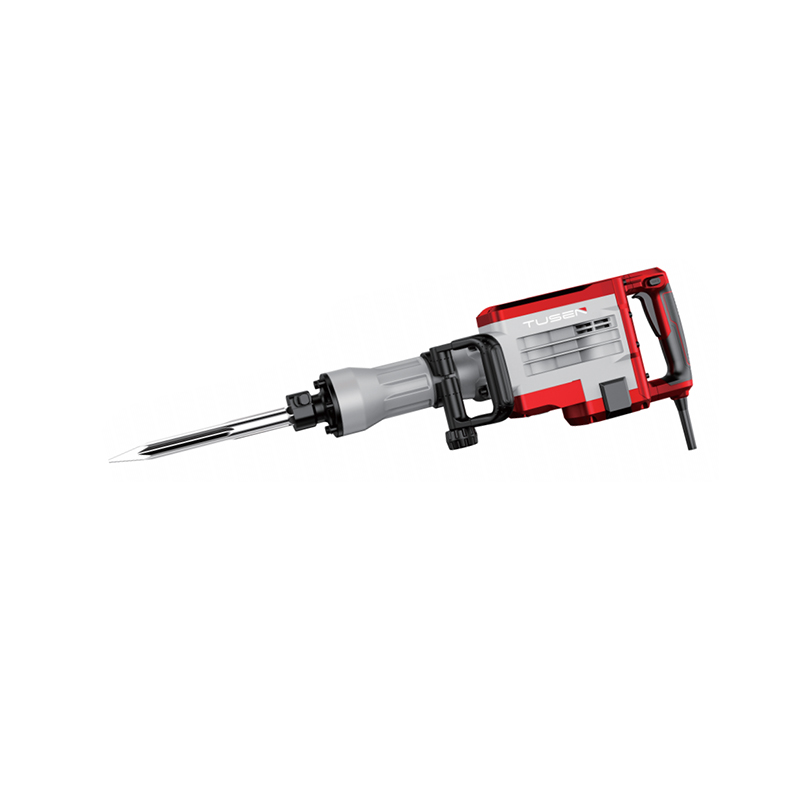
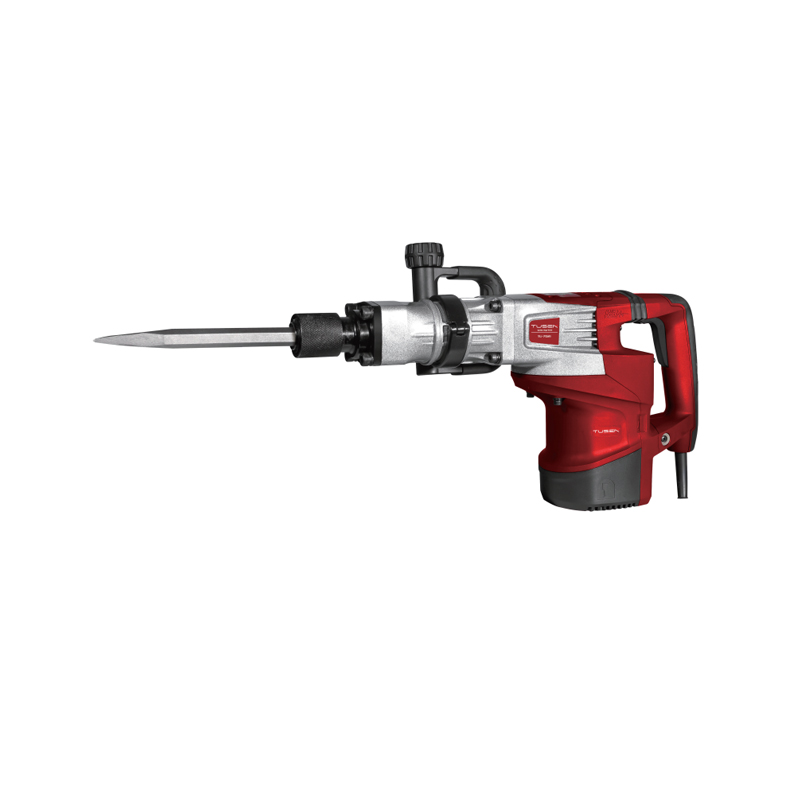
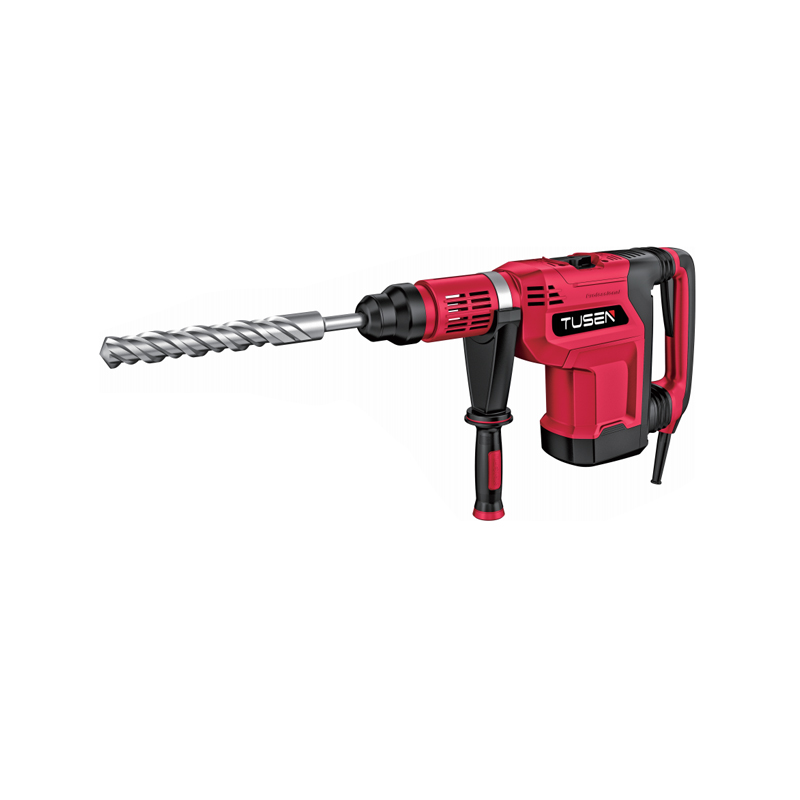
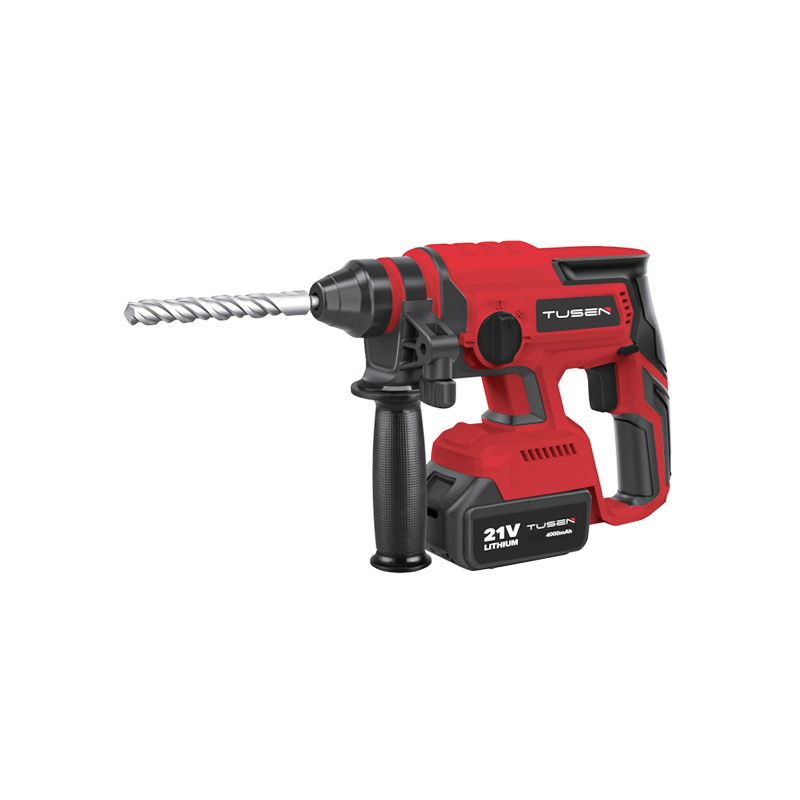
Rotary hammers and demolition hammers are designed for demanding work involving concrete, brick, and other hard materials. Rotary hammers combine rotation with a percussive action, while demolition hammers focus on delivering repeated impacts for breaking and chipping operations.
Their internal structures may include motors, gear trains, impact mechanisms, pistons, and tool holders. A rotary hammer that rotates but produces weak impacts may have a different fault from a demolition hammer that operates intermittently or fails to start.
Tool holders and clamping systems also differ across models. SDS Plus and SDS Max interfaces, for example, serve different tool and accessory configurations. Component selection therefore needs to match the specific model rather than relying on a general product category.
For service teams, Repairing Electric Tools in the demolition and breaking category involves understanding both the electrical drive and the mechanism that transfers energy to the working accessory. Identifying the affected assembly helps narrow down the repair scope and supports more accurate parts selection.