Español

Matching Hammer Design With Demolition Tasks
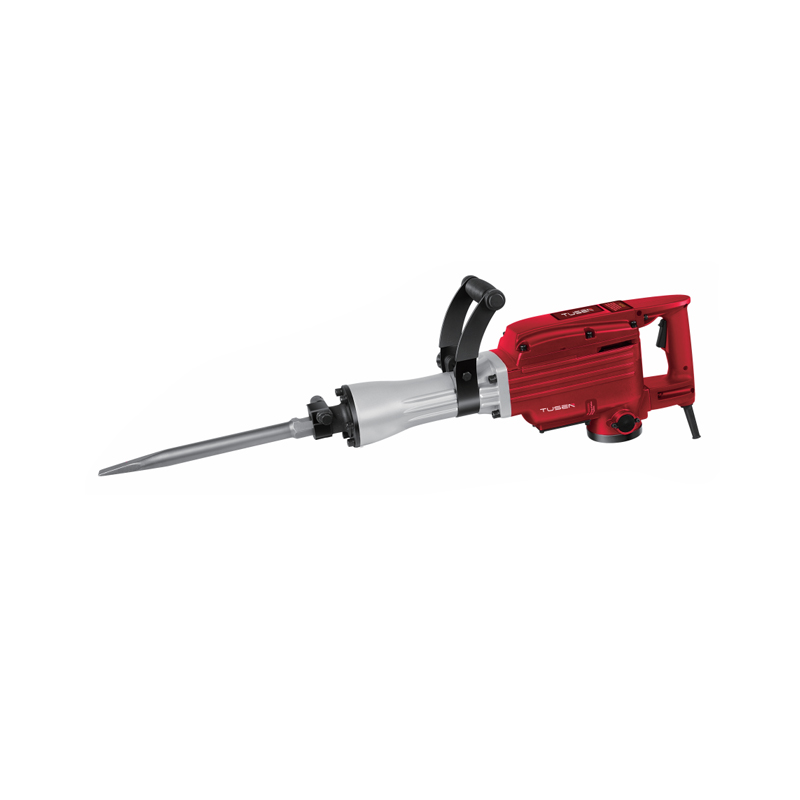
Concrete removal, floor breaking, and masonry demolition place different demands on construction tools. Contractors need equipment that matches the material, working position, and scale of the task. Selecting a High Quality Demolition Hammer involves looking beyond motor power to understand impact energy, tool structure, handling, and compatibility with different chisels.
For construction equipment distributors and professional tool suppliers, these details also influence product positioning and purchasing decisions. A hammer intended for breaking thick concrete may have different requirements from one used to remove tiles, break small masonry sections, or carry out localized renovation work.
Impact Energy and Breaking Performance
Impact energy is an important specification when comparing demolition hammers. It describes the energy delivered by each hammering action and helps indicate how the tool may perform against different materials.
A High Quality Demolition Hammer should be evaluated according to its stated impact energy, impact rate, and intended workload. These specifications work together rather than independently. Impact energy relates to the force of each strike, while impact rate describes how frequently the tool delivers those strikes.
For example, removing a thick concrete section requires a different approach from lifting ceramic tiles or breaking a narrow channel in masonry. Tool selection should reflect the material's thickness, hardness, and removal requirements.
Buyers should also consider whether the manufacturer provides clear performance data for the specific model. Comparing published specifications makes it easier to distinguish tools designed for light demolition from equipment intended for demanding breaking tasks.
Motor Power and Internal Construction
Motor power affects how a demolition hammer operates under load, but wattage alone does not determine its overall suitability. The internal hammer mechanism, transmission structure, and energy delivery system also influence tool performance.
When sourcing a High Quality Demolition Hammer, commercial buyers can compare motor ratings alongside impact specifications and the manufacturer's stated application range.
Housing design is another relevant consideration. The casing needs to accommodate the internal components and withstand the working conditions associated with demolition tasks. Grip placement, handle structure, and overall balance also affect how operators position the tool during extended work periods.
Choosing the Right Chisel and Tool Interface
Demolition hammers use different chisel systems depending on the model and its intended workload. Common accessories include pointed chisels for concentrated breaking and flat chisels for removing or separating material across a wider area.
Before ordering a High Quality Demolition Hammer, buyers should confirm the supported tool interface and compatible accessory sizes. SDS systems and hexagonal tool holders are not interchangeable by default, so the exact connection type matters when selecting replacement chisels or assembling a product package.
Application requirements should guide accessory selection. A pointed chisel may help initiate a break in concrete, while a flat chisel may be more appropriate for removing mortar, masonry sections, or floor materials.
Handling, Weight, and Working Position
Demolition work takes place in different positions, from floor-level breaking to horizontal work on walls. Tool weight, handle arrangement, and body dimensions influence how easily operators can position and control the equipment.
A High Quality Demolition Hammer intended for floor demolition may use a different body configuration from a compact model designed for more localized tasks. Heavier equipment may suit certain demanding applications, while smaller models can be easier to position in restricted spaces.
Vibration and noise specifications are also relevant when comparing models. These characteristics can affect the working experience and should be considered alongside breaking performance.