Español
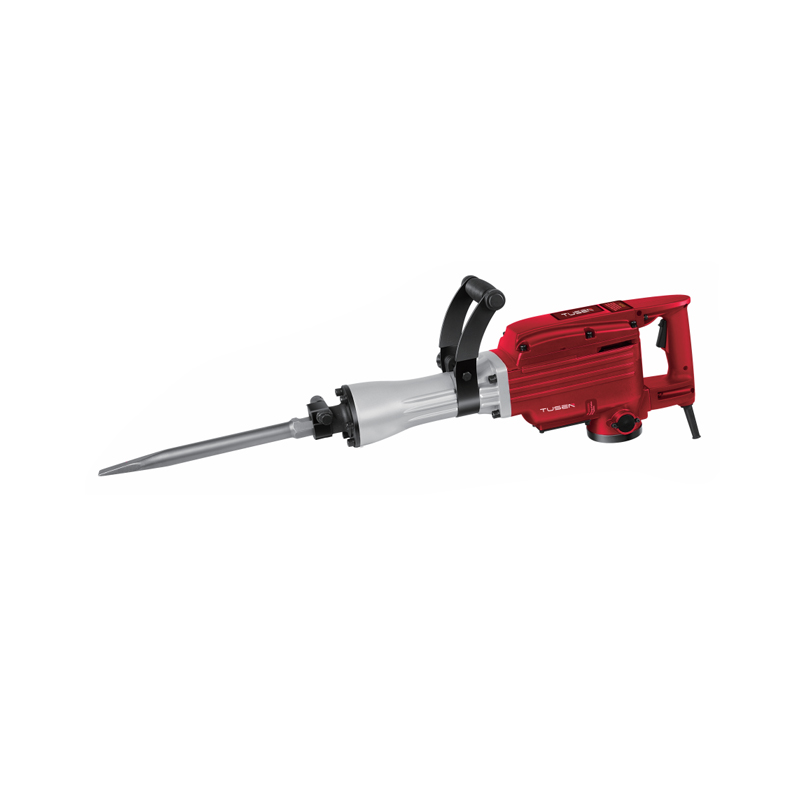
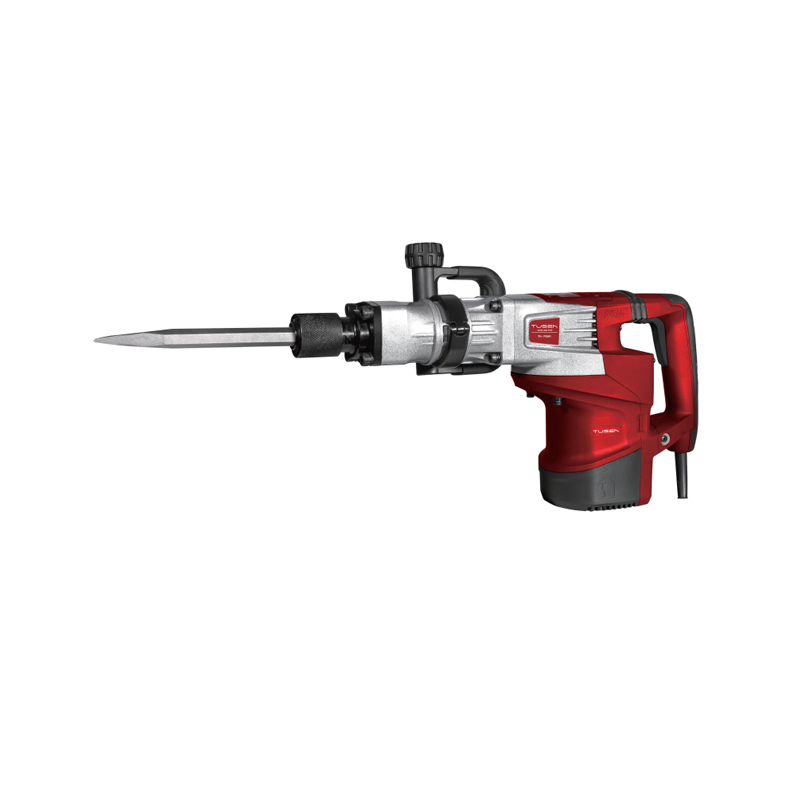
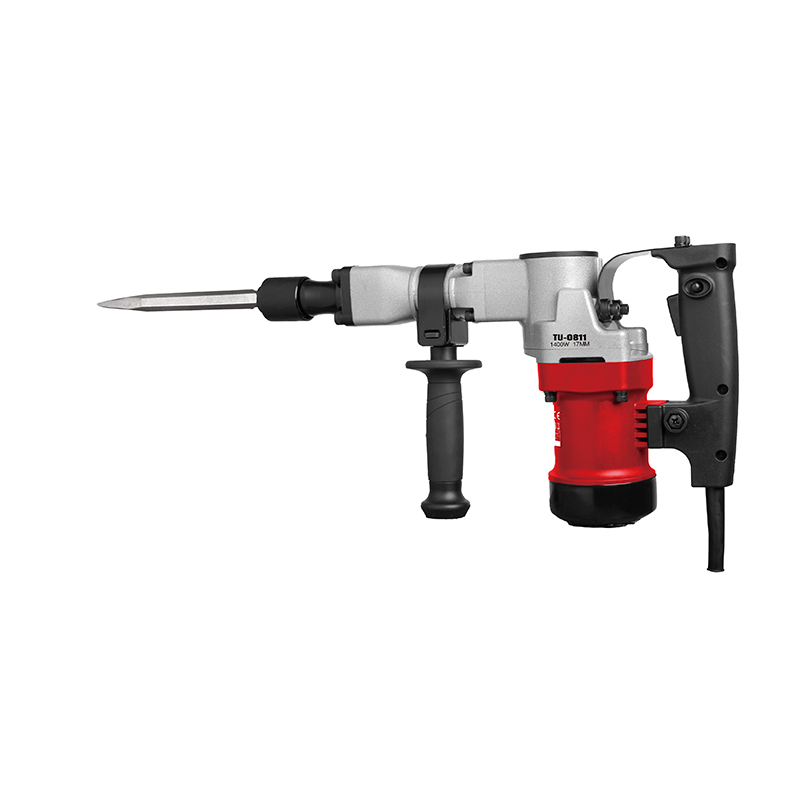
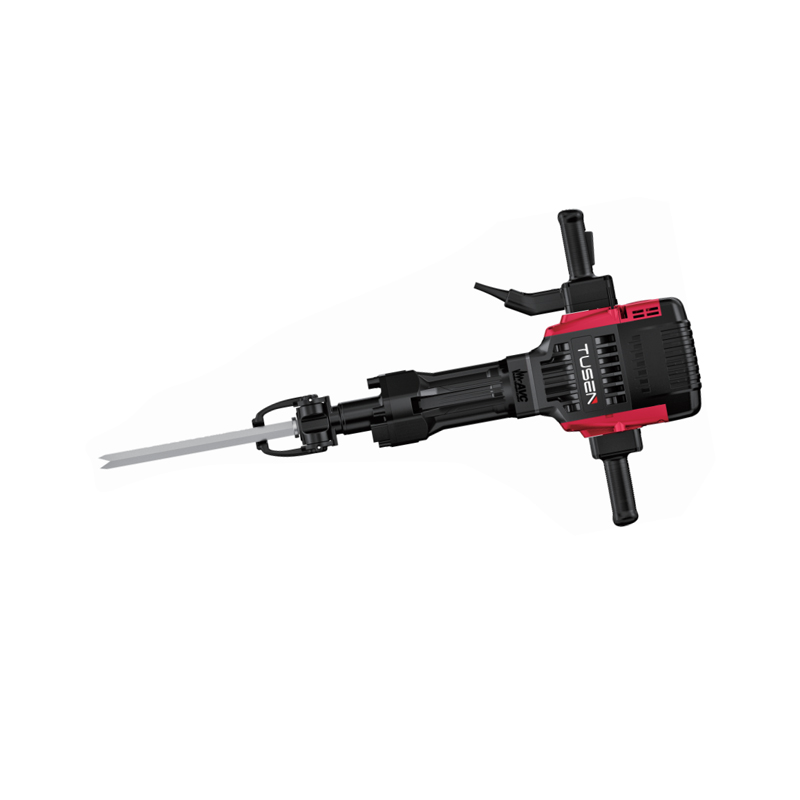
Demolition and construction sites depend on equipment that can take repeated punishment without slowing down, and the big power breaker sits at the center of that requirement. Concrete removal, trenching prep, and structural teardown all rely on this tool category, which is why distributors serving construction supply chains keep steady inventory across multiple wattage tiers.
Motor Design and Impact Force
A big power breaker typically relies on an electromagnetic or pneumatic piston mechanism to generate repeated striking force against a chisel or point tool. Impact frequency and blow energy vary by model, with heavier-duty units designed for continuous concrete breaking and lighter configurations suited to smaller demolition tasks around utility work or renovation projects.
Motor housing construction plays a direct role in how a big power breaker performs under sustained use. Manufacturers typically pair a high-torque motor with reinforced internal gearing to manage the repeated stress of piston movement, since a weaker gear assembly tends to wear down faster when a breaker runs for extended shifts on hard surfaces. Buyers comparing suppliers often request blow energy ratings and duty-cycle data to confirm a unit can sustain performance across a full workday.
Power Source Configurations
Electric-powered big power breaker units remain common for job sites with reliable power access, offering steady output without the need for a separate compressor or hydraulic power pack. These models typically connect to standard voltage lines, making them a practical choice for indoor demolition or renovation work where portability matters more than raw output.
Pneumatic and hydraulic configurations, by contrast, draw power from compressed air systems or hydraulic power units mounted separately from the tool itself. This setup allows for heavier impact force, which is why larger construction crews handling thick concrete slabs or foundation work often specify pneumatic big power breaker equipment over electric alternatives. Distributors stocking both configurations typically serve a broader range of job site requirements across residential and commercial demolition segments.
Build Quality and Durability Factors
A few construction features tend to separate dependable big power breaker units from ones that wear down quickly under job site conditions:
- Reinforced housing around the piston chamber to absorb repeated vibration without cracking
- Rubberized or cushioned grip handles that reduce operator fatigue during extended demolition sessions
- Sealed internal components that limit dust and debris intrusion during concrete breaking work
Weight balance also factors into how a big power breaker handles during vertical or overhead demolition tasks, where an unevenly distributed tool becomes harder to control and increases strain on the operator over a full shift.
OEM and Private Label Manufacturing
Buyers building a branded tool line around big power breaker equipment typically work with manufacturers offering OEM or ODM services, covering custom housing finishes, branded packaging, and adjusted motor specifications based on a client's technical requirements. Factories with flexible tooling can often modify handle design, chisel mounting systems, or power input configurations without requiring a full retooling investment.
Distributors serving construction equipment rental chains or industrial supply networks often request sample units across a few power tiers before committing to a larger production run, since job site performance can differ from spec sheet figures depending on surface hardness and operating conditions. Clarifying blow energy, power source, and housing durability upfront with a big power breaker manufacturer tends to prevent mismatched expectations once bulk orders reach full-scale production.